.jpg)
Understanding Equity Market Volatility
History, Perspective, and the Power of Long-Term Investing
Recent conflict in the Middle East has added new uncertainties for equity investors. When record highs continue to be exceeded and portfolios are reaching new levels, it’s easy to forget that market volatility is still possible and is very much a part of stock investing. Sadly, when volatility resurfaces, many investors begin to panic and sometimes make rash and emotional decisions with their portfolios.
Volatility in equities, in simple terms, means price swings. The magnitude and speed of those price changes determine how severe the volatility feels. High volatility results in significant and rapid price changes, while low volatility leads to more stable and smaller price fluctuations.
Equity market volatility is often portrayed as something to fear. Headlines are understandably unsettling and incite anxiety, commentators debate endlessly, and investors feel the emotional pull to “do something.” Yet volatility is not an anomaly and experienced investors know it is a normal and necessary feature of equity investing. What experienced investors also know is that a long-term investing strategy has been the key to weathering short-term market volatility.
History can give us a valuable perspective on volatility. Equity markets have navigated world wars, recessions, inflation shocks, political uncertainty, financial crises, and even global pandemics. Yet over time, disciplined investors with a long-term perspective have been rewarded for their patience. In recent history, in early 2020, markets dropped more than 30% in a short period of time, only to recover and reach new highs shortly thereafter. (Source: engaging-data.com)
And let’s not forget that during the Global Financial Crisis, major indexes fell over 50%. (Source: Federal Reserve History)
Each moment felt unprecedented. Each time, markets eventually recovered. As Sir John Templeton wisely said, “The four most dangerous words in investing are: ‘This time it’s different.’”
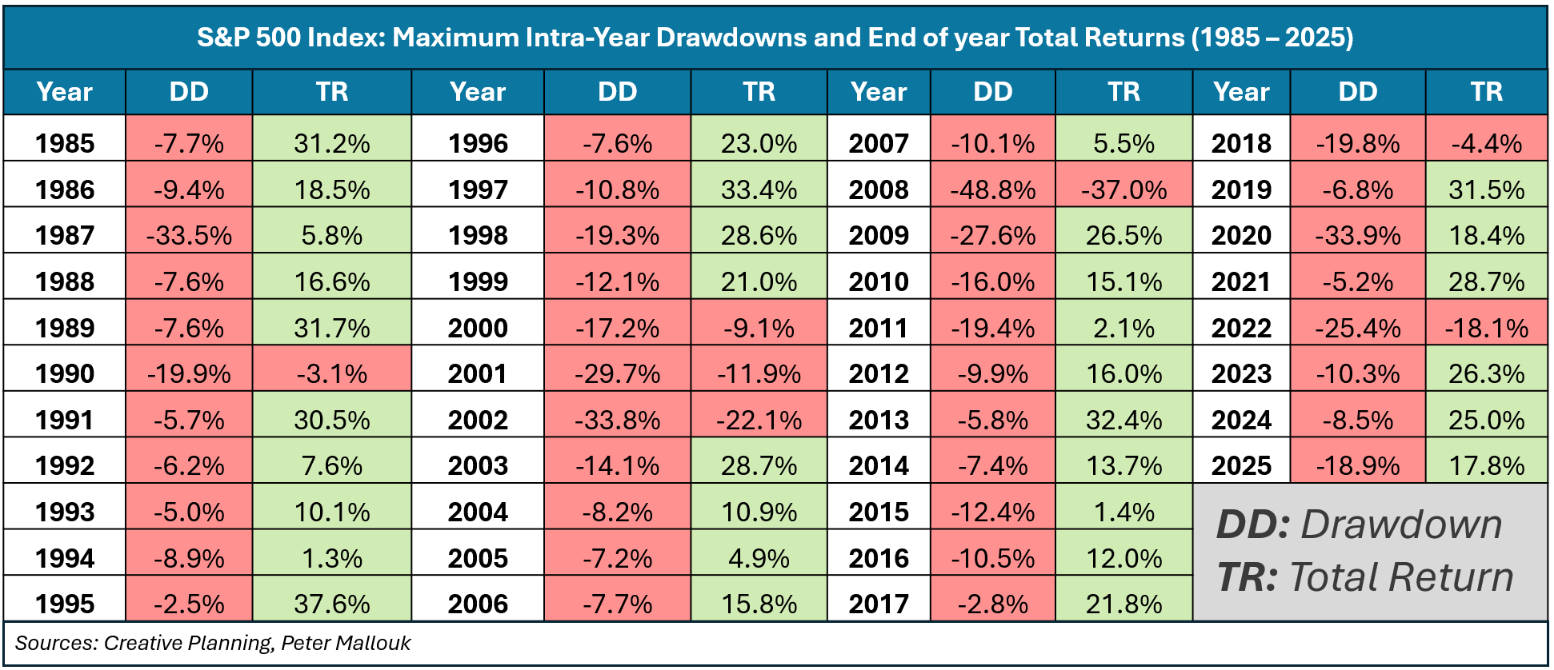
As you can see from the chart that shows over 40 years of information from 1985 to 2025, every year featured a drawdown or dip. However, by year-end the S&P 500 finished up 34 out of 41 years (83% of the time) despite these annual drawdowns.
Overall Strategy
One of the best ways to prepare for volatility is to clearly understand your objectives and strategy. We believe that a long-term investment strategy is integral to successful financial planning. Focus on your long-term investment goals rather than reacting to short-term market movements. As we noted earlier, over longer periods of time, equity markets have traditionally recovered from downturns.
Maintaining focus on your personal financial goals should be your main priority. We strive to craft a diversified, long-term financial plan with clients that takes into consideration their time horizon and risk tolerance. We also try to help clients stay on track and avoid allowing temporary fluctuations in the markets to divert them from their long-term path. While this may sound easier said than done, practicing patience can help you become more resilient to volatility.
Constantly checking your investments, every hour or every day, can increase your anxiety. Please remember that investing for the long-term is never a straight line, and being consumed by the daily ups and downs can lead to increased concern. A well-diversified portfolio can include positions that can weather short-term volatility and still allow the potential for long-term gains.
As the great investor Warren Buffett said, “If you are not willing to own a stock for 10 years, don’t even think about owning it for 10 minutes.”
Advantages of Market Volatility
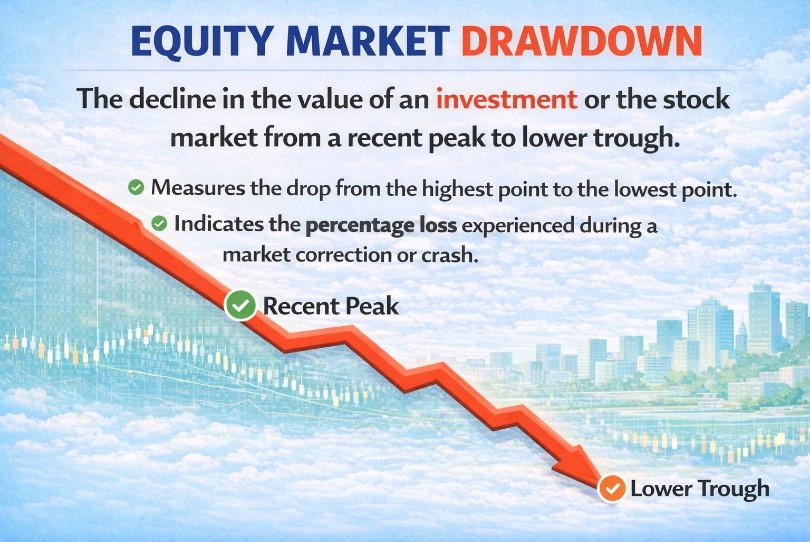
Disciplined investors often view market declines as opportunities. While market volatility can feel risky, for a disciplined investor, it can create opportunities. Volatility can introduce opportunities to accumulate equities at lower prices. The key is having a plan, and good emotional management. Here are a few ways you could enhance your personal situation when equities take a dip.
Add New Money into Retirement or Brokerage Accounts to Buy Quality Assets at a Discount: If you are in a financial situation that could allow you to make new investments, buying stocks during a market downturn can be a great way to potentially increase your long-term returns.
Volatility often pushes prices down faster than fundamentals change. Fear creates a temporary price reduction and can create an opportunity for long-term investors to buy high-quality assets at lower valuations. For example, if a fundamentally strong stock drops 20% during a market panic (but the earnings outlook hasn’t changed), future returns can improve because you bought that position at a discount.
Dollar-Cost Averaging: Volatility improves the effectiveness of consistent investing. When you invest a fixed amount regularly, you can purchase more shares when prices are low and fewer shares when prices are high.
Rebalancing Your Portfolio: In volatile markets, rebalancing means systematically restoring your original asset allocation. This can be led by selling high-performing assets and buying underperforming ones, which would enforce a "buy low, sell high" discipline. This strategy is intended to reduce portfolio risk and aligns investments with long-term goals.
Tax Loss Harvesting: Strategic tax planning is always a strong option and savvy investors know that volatility could become a tax opportunity. When investments decline, investors can potentially sell at a loss and use the capital loss to offset capital gains. This could provide an opportunity to invest in a similar, but not the same asset. For high-income investors, this has the potential to improve after-tax returns.
What NOT to Do!
Seasoned investors understand that volatility is a natural part of the investing journey and that bumps in the road can and will occur. Those who have experienced challenging periods of volatility in their investing journey know that there are a handful of strategies that can make these times more manageable, as well as pitfalls that can complicate the situation.
Emotional Decisions: While most investors recognize the importance of time horizons and risk tolerance, they sometimes overlook a crucial factor: human emotion. Even the most experienced investors can be tempted to stray from their long-term plans and become caught up in the short-term fluctuations of the economic environment. Allowing panic and doubt to influence decision-making, and worrying about aspects beyond one's control, can lead to rash and poorly considered choices. You are the best evaluator of how you react to potentially stressful situations.
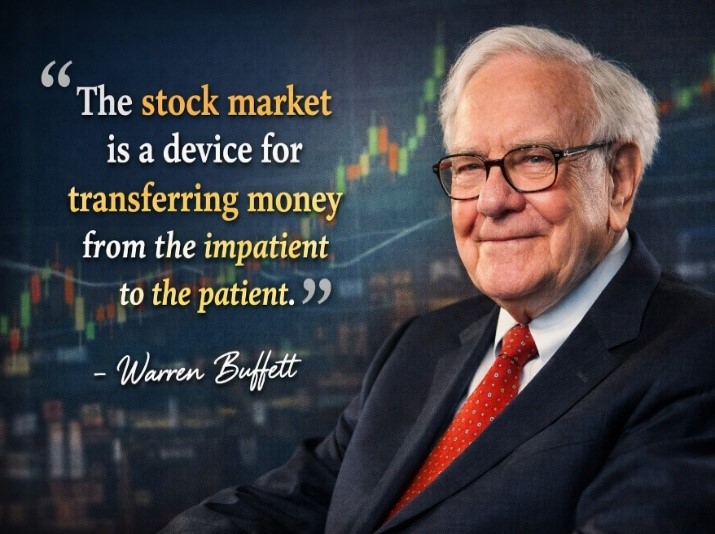
Timing the Market: It can be very tempting to take money out of equities with the intention of reinvesting, “when the time is right.” However, attempting to time the market should not be a primary strategy. It is nearly impossible to determine when the perfect time is to get in and out of the market. The challenge is that recoveries tend to happen quickly and unpredictably. Missing just a handful of the market’s strongest days can significantly reduce long-term returns. Peter Lynch notably said, “Far more money has been lost by investors preparing for corrections… than has been lost in corrections themselves.”
Time in the market continues to be more powerful than timing the market.
Watching Too Much News: Minimizing your exposure to media during periods of market volatility can be one of the healthiest decisions you make. Constant consumption of headlines during uncertain times often increases stress and anxiety without improving decision-making. Media coverage frequently amplifies fear, presenting situations in a way that feels more dramatic than the underlying fundamentals may justify.
While you cannot control the news, you can control how much information you consume—and how you respond to it. It’s often said that “perception is reality,” and media narratives can shape perception in powerful ways. In many cases, the primary objective is to capture attention and drive viewership, not to provide balanced long-term perspective.
Limiting media intake during turbulent periods can help you maintain clarity and emotional discipline. Tuning out the daily commentary and focusing instead on your long-term strategy is typically the most productive and rational path forward.
Not Consulting a Professional: Seasoned investors know that trying to navigate investment decisions without consulting their financial professional can pose an unnecessary obstacle to pursuing their financial goals. Seeking guidance during confusing times can help investors find the best path to success with their hard-earned money.
The Big Picture
Sometimes, the big picture can get lost when the weeds start to become the focus. Our role is to help you stay disciplined, informed, and aligned with your long-term financial goals. We are closely monitoring areas that may impact your financial situation. If at any point you would like to discuss your financial plan and review it to confirm it still aligns with your goals, please contact us and we would be happy to explore this with you.
We Will Help You Stay Informed
We believe that an educated client is the best client. We want our clients to understand how investments work. This includes volatility, so they can better evaluate how to react to any daily movements in the stock market. Our primary goal as wealth managers is to assist our clients on their financial journeys, which includes helping them effectively manage volatility during uncertain times. If you have any questions or concerns about your portfolio, please feel free to reach out to us. We would be happy to talk with you.
Additionally, we advise our clients to keep us informed of any changes in circumstances, such as health issues, shifts in retirement goals, or the sale of a home. The more we know about their unique situation, the better we can advise them.
A skilled financial professional can help simplify your journey toward pursuing your goals. By understanding your needs and objectives, we can create a plan tailored to your situation. We welcome the opportunity to take a look at your financial situation and needs.
Complimentary Financial Consultation
Would you like a second opinion on your financial plan?
If you are not a client, we would like to offer you a complimentary consultation at no cost or obligation. Please call (714) 597-6510 for more information or to schedule your appointment.
Our goal is to help people just like you with their financial goals and decisions!
Upcoming Events
- Retirement Classes | Apr-May
- Investments Webinar | Wed, Apr 29 at 6pm PT
- Property Inheritance Webinar | Wed, May 6 at 6pm PT
- Social Security & Medicare Webinar | Wed, May 13 at 6pm PT
- FAN Plan Basic Training Webinar | Wed, May 20 at 6pm PT
Click HERE to learn more about our upcoming events.
Financial Advisors Network, Inc. is a registered investment advisory firm. This article is for informational purposes only. This information is not intended to be a substitute for specific individualized tax, legal or investment planning advice as individual situations will vary. For specific advice about your situation, please consult with a lawyer, tax or financial professional. The information contained in this report does not purport to be a complete description of the securities, markets, or developments referred to in this material. The information has been obtained from sources considered to be reliable, but we do not guarantee that the foregoing material is accurate or complete. Any information is not a complete summary or statement of all available data necessary for making an investment decision and does not constitute a recommendation. Sources: engaging-data.com; Creative Planning; Peter Mallouk; Federal Reserve History. Contents provided bythe Academy of Preferred Financial Advisors, Inc.
Turn Bulletins into Action
Stay informed—then come in for a free consultation and see how the updates apply to your financial life.